Walk into any garden centre and you'll find shelves overflowing with fertilisers promising lush growth and abundant flowers. But when it comes to Australian native plants, most of this advice is not just wrong - it can be actively harmful. Let's separate fact from fiction.
Myth 1: "Native Plants Don't Need Fertiliser at All"
The Reality: While it's true that many Australian plants are adapted to nutrient-poor soils, they're not immune to nutrient deficiencies. The key is understanding what they actually need.
Signs your natives may need feeding:
- Yellowing older leaves (nitrogen deficiency)
- Poor growth despite adequate water
- Small or pale flowers
- Plants in containers (nutrients leach out)
Myth 2: "Any Fertiliser Will Do"
The Reality: This is perhaps the most damaging myth. Standard garden fertilisers often contain high levels of phosphorus, which can be toxic to many Australian plants, particularly Proteaceae (banksias, grevilleas, waratahs, hakeas).
Why Phosphorus is Problematic:
- Australian soils are ancient and phosphorus-deficient
- Native plants evolved efficient phosphorus uptake mechanisms
- Adding phosphorus overwhelms these mechanisms
- Toxicity symptoms: yellow leaves with green veins, brown tips, stunted growth, eventual death
Safe Phosphorus Levels:
- Phosphorus-sensitive plants: Less than 3% P
- Most other natives: 3-5% P acceptable
- Standard fertilisers: Often 10-20% P (dangerous)
Myth 3: "Manure is Natural, So It Must Be Good"
The Reality: Animal manures are generally too high in phosphorus and nitrogen for phosphorus-sensitive natives. They can also:
- Alter soil pH unfavourably
- Introduce weed seeds
- Burn roots if fresh
- Cause excessive, weak growth
If using organic matter, mature compost is safer than fresh manure - and even then, use sparingly around sensitive species.
Myth 4: "Native Plants Need Lots of Nitrogen"
The Reality: Many Australian plants, particularly Acacias (wattles), are nitrogen-fixers - they actually produce their own nitrogen through symbiotic bacteria in their roots. Adding nitrogen fertiliser can:
- Suppress nitrogen fixation
- Produce soft, sappy growth attractive to pests
- Reduce flowering
- Make plants more frost-sensitive
Myth 5: "Regular Feeding Keeps Plants Healthy"
The Reality: Australian plants are generally slow feeders adapted to nutrient-poor conditions. Over-fertilising causes:
- Rapid, weak growth
- Reduced drought tolerance
- Poor root development
- Increased pest and disease susceptibility
- Shorter plant lifespan
What Native Plants Actually Need
The Role of Mycorrhizae
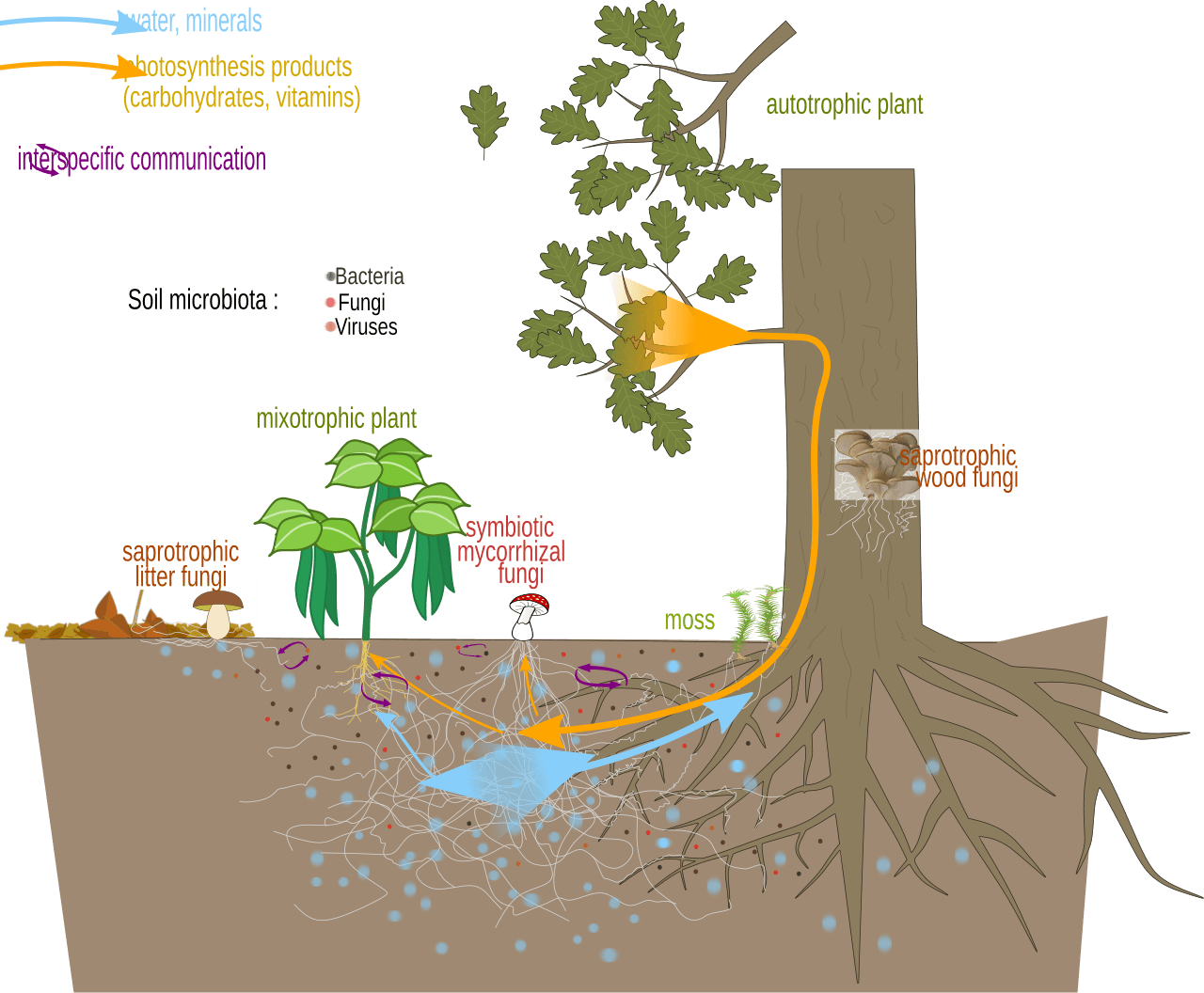
Most Australian plants form symbiotic relationships with mycorrhizal fungi that:
- Extend root systems 100-1000x
- Access phosphorus from unavailable forms
- Improve drought tolerance
- Protect against pathogens
Adding fertiliser, especially phosphorus, can disrupt these partnerships. Healthy soil biology is more important than added nutrients.
When Fertiliser IS Needed
There are legitimate situations for feeding:
- Container plants: Nutrients leach out with watering
- Cut flowers: For intensive production
- Deficient soils: When testing confirms low nutrients
- New plantings: Light feeding in second year
- Vegetables: Edible crops among ornamentals
Choosing the Right Fertiliser
For Phosphorus-Sensitive Plants (Proteaceae, etc.)
Look for products labelled:
- "Low phosphorus" or "P < 3%"
- "Native plant fertiliser"
- "Protea food"
Or make your own: Blood and bone (low P) plus sulphate of potash
For General Natives
- Controlled-release formulations (less likely to burn)
- Organic options (blood and bone, fish emulsion)
- Slow-release pellets
Application Guidelines
- Always water before applying
- Apply at recommended rates or less
- Spread around drip line, not at trunk
- Water in thoroughly
- Apply in spring, not autumn (avoid soft growth before frost)
Natural Alternatives
Mulch is the Best Fertiliser
A 10cm layer of coarse organic mulch:
- Slowly releases nutrients as it breaks down
- Feeds soil biology
- Suppresses weeds
- Retains moisture
- Moderates soil temperature
Wood Ash
From untreated wood, scattered lightly:
- Provides potassium
- Raises pH (good for acidic soils)
- Trace minerals
Use sparingly and not around phosphorus-sensitive plants.
Seaweed Extract
Excellent for:
- Trace elements
- Plant health and stress tolerance
- Root development
- Foliar feeding (diluted)
Low in NPK, so won't cause overgrowth.
The Bottom Line
Australian native plants evolved in nutrient-poor soils and generally need far less fertiliser than exotic species. When in doubt:
- Start with healthy soil and good mulch
- Use low-phosphorus products only
- Apply less frequently and at lower rates
- Observe your plants - they'll tell you what they need
- When in doubt, don't fertilise
Remember: the goal is healthy, resilient plants adapted to Australian conditions - not lush, soft growth that needs constant feeding and protection. Work with nature, not against it.