The traditional lawn is one of the most resource-intensive and ecologically barren landscapes we maintain. Rewilding your lawn into a native meadow creates habitat for wildlife, reduces maintenance, and produces a living tapestry that changes with the seasons.
Why Rewild?
- Biodiversity: A meadow supports 10x more wildlife than lawn
- Water savings: Native meadows need 70% less water once established
- Carbon sequestration: Deep-rooted grasses store carbon
- Low maintenance: Mow once or twice a year instead of weekly
- Beauty: Ever-changing display of flowers and textures
The Transformation Process
Step 1: Planning (Winter)
- Observe sun patterns and soil conditions
- Choose appropriate grass and wildflower species
- Decide on meadow style (prairie, woodland edge, etc.)
- Calculate seed/plant quantities needed
Step 2: Eliminate Existing Grass (Late Winter/Early Spring)
Option A - Sheet Mulching (Easiest):
- Mow grass as short as possible
- Water thoroughly
- Layer cardboard over entire area (overlap edges)
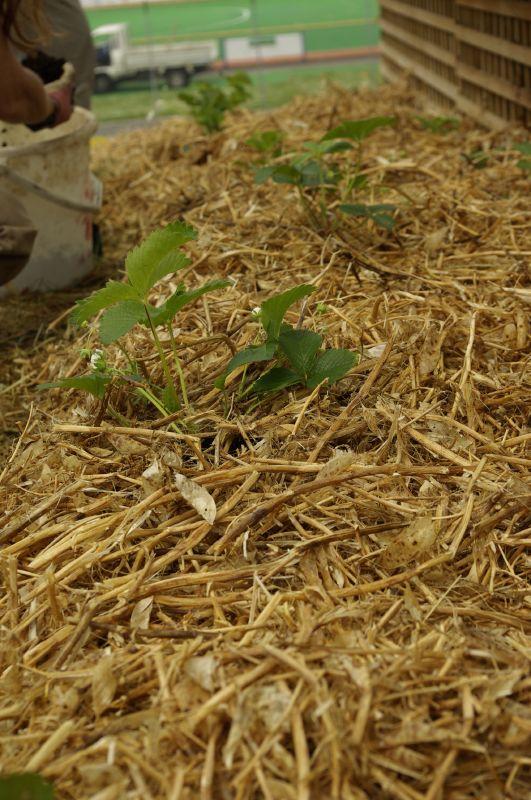
- Add 10cm mulch on top
- Wait 2-3 months for grass to die
Option B - Solarisation (Fastest in Summer):
- Mow short and water
- Cover with clear plastic
- Weigh down edges
- Leave for 4-6 weeks in hot weather
Step 3: Site Preparation (Spring)
- Rake away dead grass and debris
- Rough up soil surface (don't cultivate deeply)
- Remove any persistent weeds
- Ensure good drainage
Step 4: Planting (Autumn - Best Time)
- Plant grasses first (they form the backbone)
- Intersperse wildflowers in drifts
- Water thoroughly after planting
- Apply thin mulch layer
Best Meadow Plants by Region
Cool Temperate
- Grasses: Poa labillardierei, Austrodanthonia, Themeda triandra
- Wildflowers: everlasting daisies, flax lilies, chocolate lilies
Warm Temperate
- Grasses: Kangaroo grass, Barbed wire grass, Redleg grass
- Wildflowers: Flannel flowers, native geraniums, bluebells
Subtropical
- Grasses: Forest grass, Weeping grass
- Wildflowers: Native violet, fan flowers, scaevola
First Year Care
- Watering: Weekly deep watering first 3 months, then as needed
- Weeding: Hand removal of persistent weeds
- Mowing: One light cut in late spring to encourage density
- Expectations: May look sparse first year; patience required
Ongoing Maintenance
- Annual cut in late winter (10-15cm height)
- Remove clippings to reduce fertility
- Spot weed as needed
- Divide and spread vigorous plants
- Add new species to increase diversity
Common Challenges
Weeds taking over: Usually due to poor site preparation. Be thorough in step 2.
Patches not filling in: Add more plants; some species are slow to establish.
Too much leaf litter: Rake lightly in autumn if buildup is excessive.
Transforming lawn to meadow is a journey, not an instant makeover. But within two years, you'll have a thriving ecosystem that practically cares for itself while supporting local wildlife.