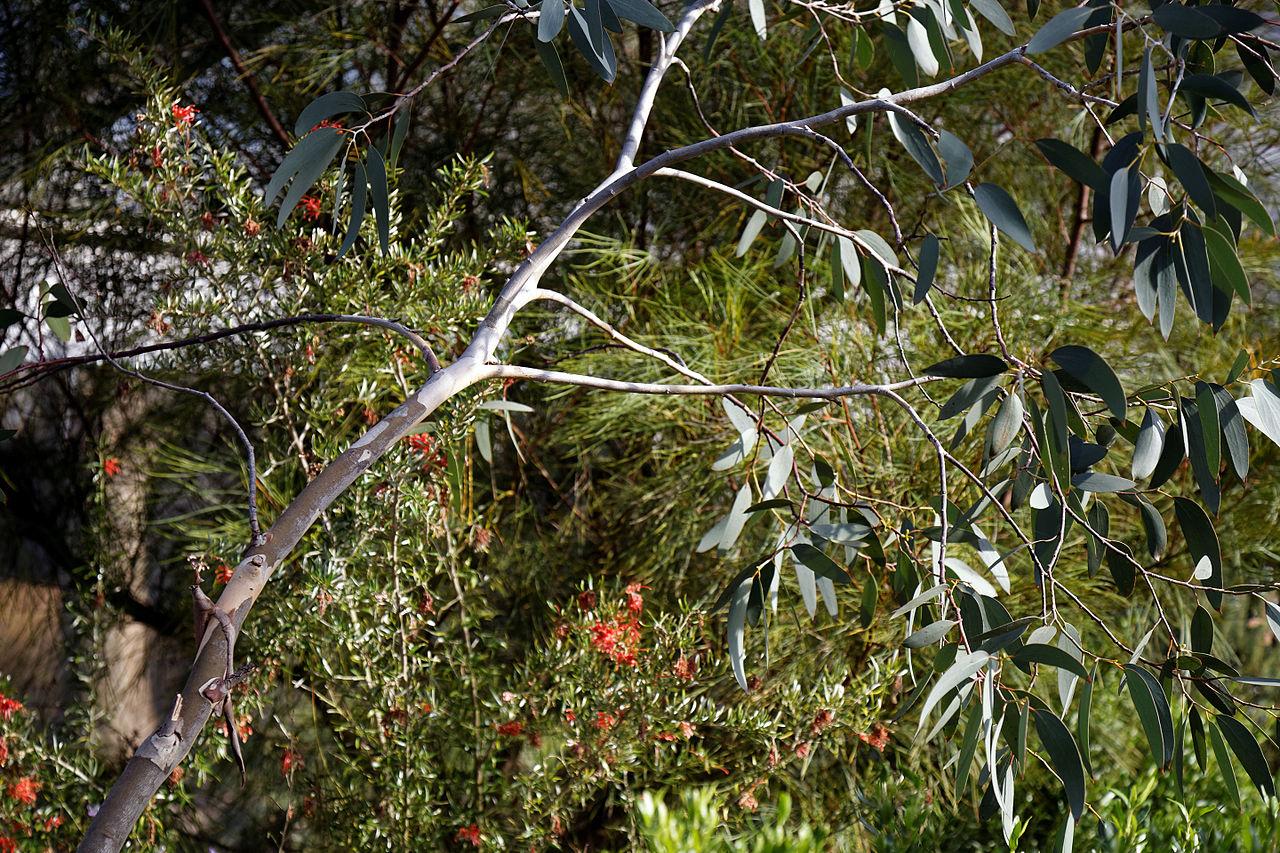
Australian summers are tough on gardens. With temperatures regularly climbing above 35°C and rainfall often non-existent for weeks, even established native gardens can struggle. But with the right strategies, your native plants can not only survive but thrive through the heat.
Understanding Heat Stress
Heat stress occurs when plants lose water faster than they can take it up. Even drought-tolerant natives have their limits. Signs of heat stress include:
- Wilting during the day (some recovery in evening is normal)
- Leaf scorch - brown, crispy edges on leaves
- Silvering or greying of foliage
- Premature leaf drop
- Stunted growth or flower drop
The Deep Watering Method
Shallow, frequent watering encourages shallow roots that can't access deep moisture. Instead, water deeply and less frequently:
- Apply water slowly to allow penetration
- Water until soil is moist 20-30cm deep
- For trees, water out to the drip line (edge of canopy)
- Let soil dry between waterings
For established native gardens, one deep watering per week in dry periods is usually sufficient. New plantings need more frequent attention.
Timing is Everything
Water early in the morning (5-8am) for best results:
- Less evaporation loss
- Plants have water available during heat of day
- Foliage dries before evening (reducing disease risk)
Avoid watering in the heat of the day - up to 50% can be lost to evaporation before reaching roots.
Mulch: Your Summer Secret Weapon
A 5-10cm layer of coarse organic mulch reduces soil temperature by up to 10°C and cuts evaporation by 70%:
- Use chunky bark mulch or wood chips
- Keep mulch 5cm away from plant stems
- Extend mulch to the drip line for trees
- Top up as it breaks down
Temporary Shade for Vulnerable Plants
New plantings and sensitive species benefit from temporary shade during extreme heat:
- Shade cloth (50%) supported on stakes
- Old bedsheets or umbrellas for small plants
- Position shade on west side for afternoon protection
- Remove when heatwave passes
The Bucket Method for Trees
For established trees that need deep watering:
- Place a 10L bucket with small holes in the bottom at the drip line
- Fill with water; it will slowly seep into root zone
- Move around the tree for even coverage
- Repeat 2-3 times per tree
Don't Forget the Pots
Potted plants are most vulnerable in heat:
- May need daily watering in extreme heat
- Move to afternoon shade if possible
- Double pot (place pot inside larger pot with mulch between)
- Use water-storing crystals in potting mix
What NOT to Do
- Don't fertilize in heat - forces growth plants can't support
- Don't prune - removes shade canopy and opens wounds
- Don't plant new specimens - wait for cooler weather
- Don't use fine mulch - can bake and repel water
Signs of Recovery
After a heatwave passes, watch for:
- New growth emerging
- Leaves returning to normal colour
- Flowers setting fruit
Some leaf drop after extreme heat is normal - it's the plant's way of conserving water. Don't panic if this happens.
Long-Term Resilience
The best defence is a garden designed for heat:
- Choose species adapted to your climate
- Group plants by water needs
- Create shade with trees and tall shrubs
- Build healthy soil that holds moisture
Remember, Australian plants have evolved to handle heat. Give them the right care, and they'll reward you with resilience and beauty even in the toughest conditions.